What Determines Land Values in Central Virginia
What Shapes Land Value Across Central Virginia?
Land value is rarely about just acreage. In markets throughout Central Virginia, price is usually the result of several factors working together: location, road access, topography, utilities, zoning, usable ground, and the kind of demand active buyers bring to the area. A ten-acre tract with strong road frontage and a gentle building site can command more attention than a larger parcel with steep slopes or limited access. For buyers and sellers alike, understanding these moving parts makes it much easier to evaluate opportunity with confidence.
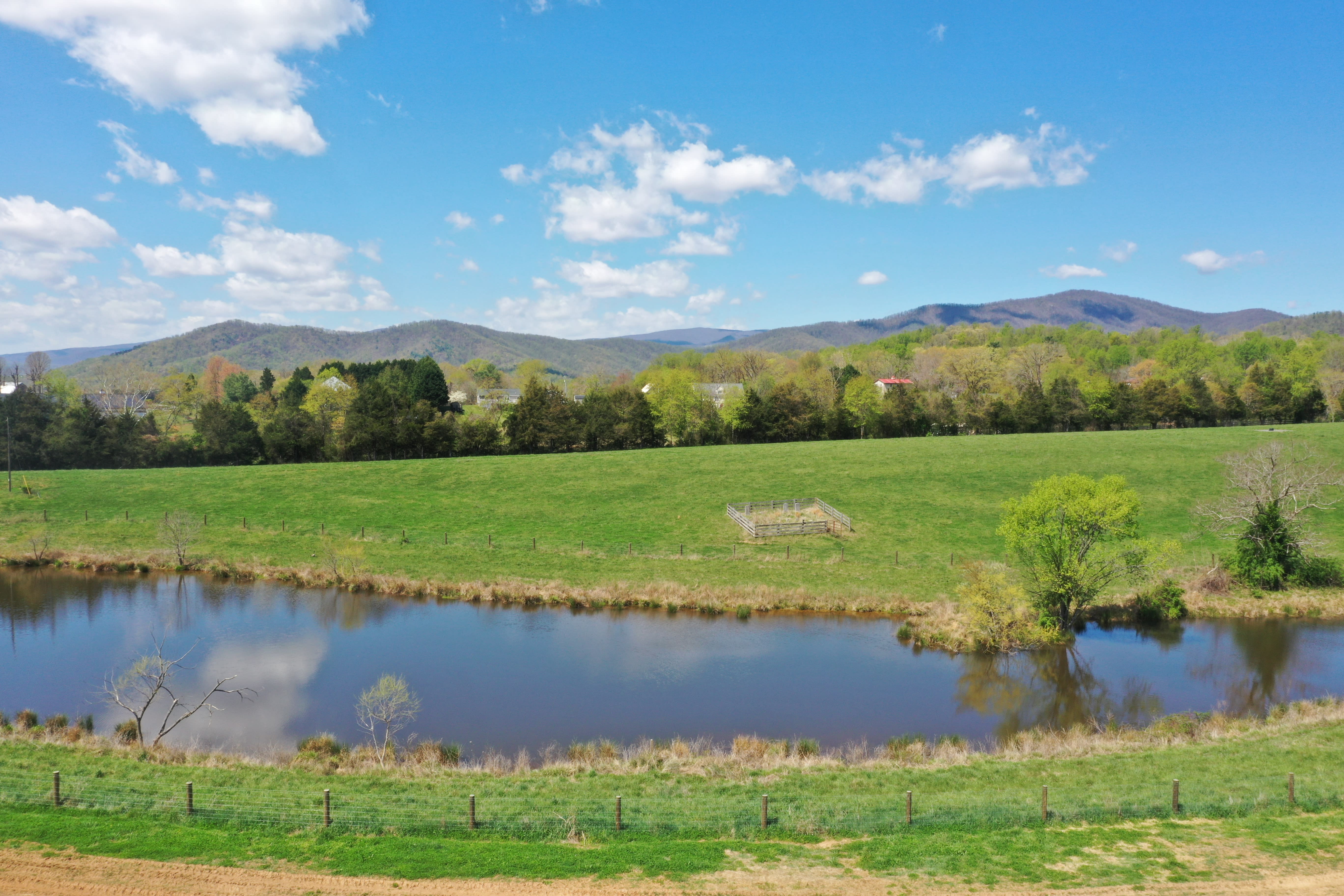
Each of these Virginia markets has its own rhythm. Charlottesville often sees pressure from proximity to employment centers, higher education, vineyards, scenic foothills, and desirable build sites within reach of town amenities. The region includes mountain views, transportation access, and a broad mix of residential and recreational demand. While the details differ, the underlying question stays the same: what can this land realistically be used for, and how easily can that use be achieved?
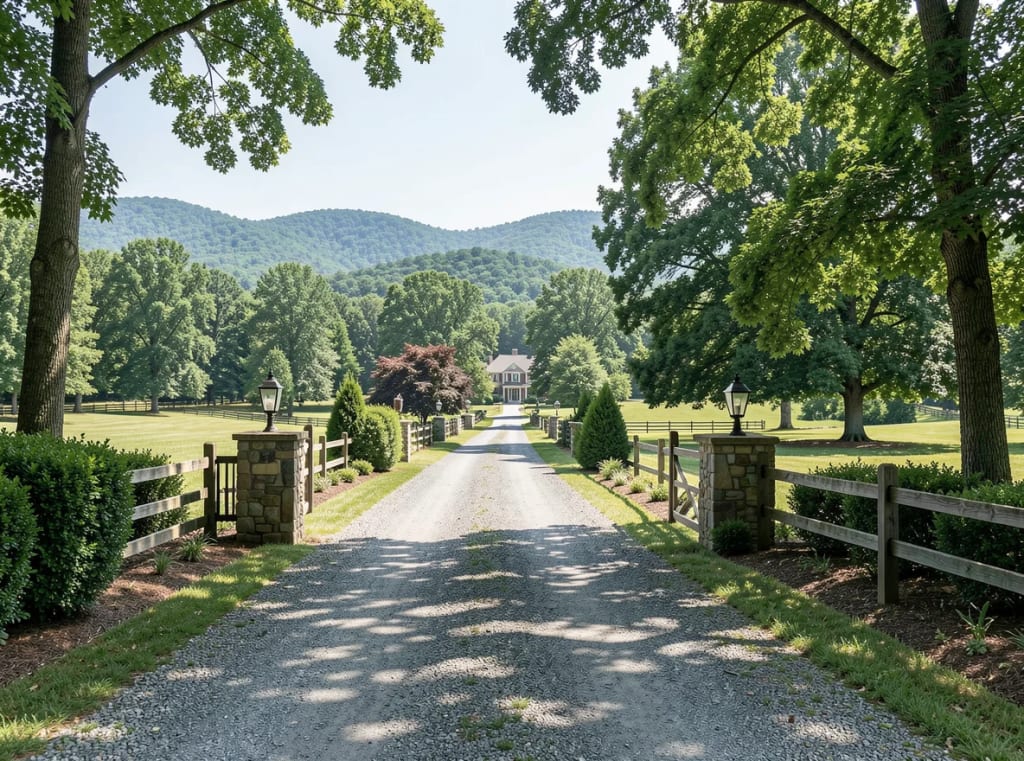
Location is usually the first major driver. That does not simply mean being “close to town.” It means being close to the right roads, job centers, services, and destinations that matter in the local market. A parcel outside Charlottesville may see stronger pricing if it offers a practical commute, attractive scenery, and a layout suited for a custom home or small estate. Around Culpeper, accessibility to highways, ridge views, and nearby recreation can all influence demand. Near Fauquier, parcels with a convenient route to commercial corridors or established residential growth areas may stand out quickly.
Usability matters just as much as geography. Topography can raise or lower value in a hurry. Gently rolling ground with multiple homesite options, healthy drainage, and manageable clearing costs tends to attract more buyers than land that is heavily sloped, deeply cut by ravines, or burdened by floodplain concerns. Soil conditions, perc results, and the availability of public water or sewer can also change the math. If a buyer must spend significant money before the property can support a home, farm operation, or recreational plan, that expense will be reflected in the offer price.
Road frontage and legal access are another major piece of the puzzle. A parcel with long frontage on a state-maintained road typically has a wider buyer pool than one reached by an easement with restrictions or maintenance questions. Visibility can matter, too, especially for land with agricultural, mixed-use, or future development potential. In practical terms, people often pay for convenience. If equipment, building materials, or daily traffic can reach the property easily, the land tends to be more marketable.
Zoning, Utilities, and Intended Use
Zoning is one of the clearest value indicators because it sets the framework for what can happen on the property. Residential, agricultural, and special-use possibilities each create different demand. Some tracts are attractive because they can support a private homesite with room for gardens, trails, or outbuildings. Others draw attention because they may allow agricultural production, timber management, hunting use, or subdivision potential, subject to local approvals. The more clearly a parcel aligns with what current buyers are seeking, the stronger its position in the market.
Utilities can either support value or limit it. Public water, sewer, and electricity nearby often reduce uncertainty and improve pricing, especially for land intended for near-term construction. On more rural acreage, well and septic feasibility become especially important. Internet availability is also becoming part of the conversation, particularly for buyers who want rural property without sacrificing day-to-day connectivity. Even when a tract is scenic and well located, utility challenges may narrow the buyer pool and extend marketing time.
In Charlottesville, value is often tied to a blend of scenery and scarcity. Buildable land in convenient locations can be limited, which means parcels with attractive views, strong access, and straightforward development characteristics may command a premium. In Roanoke, mountain-oriented terrain creates both opportunity and complexity. A remarkable view can increase appeal, but steep grades, driveway costs, and site prep requirements must still make sense. Around Lynchburg, buyers frequently weigh flexibility: Can the land serve as a homesite today while holding future value because of its location, road frontage, or surrounding growth patterns?
Comparable sales are still central to valuation, but land comps require careful interpretation. Two parcels with the same acreage may have very different value because one has cleared pasture, a creek, marketable timber, and multiple building sites, while the other has limited usable ground and no proven septic option. That is why specialized land analysis matters. Looking only at price per acre can oversimplify a property that has unique characteristics affecting demand.
There is also a strong emotional component in land buying, especially in Virginia markets where views, privacy, recreation, and long-term plans matter. Buyers may pay more for a tract that offers a sense of permanence: a future home location on a ridge, productive field ground, hunting habitat, or a place to hold for the next generation. That does not mean pricing is arbitrary. It means the most valuable parcels often combine practical utility with a clear vision of ownership.
How Market Conditions Influence Price
Broader market trends can push land values up or down even when the parcel itself has not changed. Interest rates affect affordability, and inventory levels shape negotiating power. When available land is limited in desirable corridors, well-prepared listings can see stronger competition. When financing tightens or construction costs rise, some buyers become more selective, putting greater emphasis on parcels that are easier to improve. In that environment, land with fewer unknowns often performs better than land with unresolved access, survey, or soil questions.
Seasonality can also play a role. Recreational and rural tracts often show differently depending on weather, field conditions, and visibility of the terrain. A property’s appeal may rise when open views, trail networks, or water features are easy to see. At the same time, serious buyers usually look beyond the season and focus on lasting fundamentals: boundaries, restrictions, use potential, and total improvement cost. Sellers who understand that process are better positioned to present their land effectively.

For landowners, improvements and documentation can strengthen perceived value. A recent survey, soil work, timber information, recorded access details, and a clear explanation of zoning or permitted uses all help reduce uncertainty. For buyers, those same items make comparison easier and support better decision-making. In many cases, the market rewards clarity. Parcels that are well understood are simply easier to price and easier to sell.
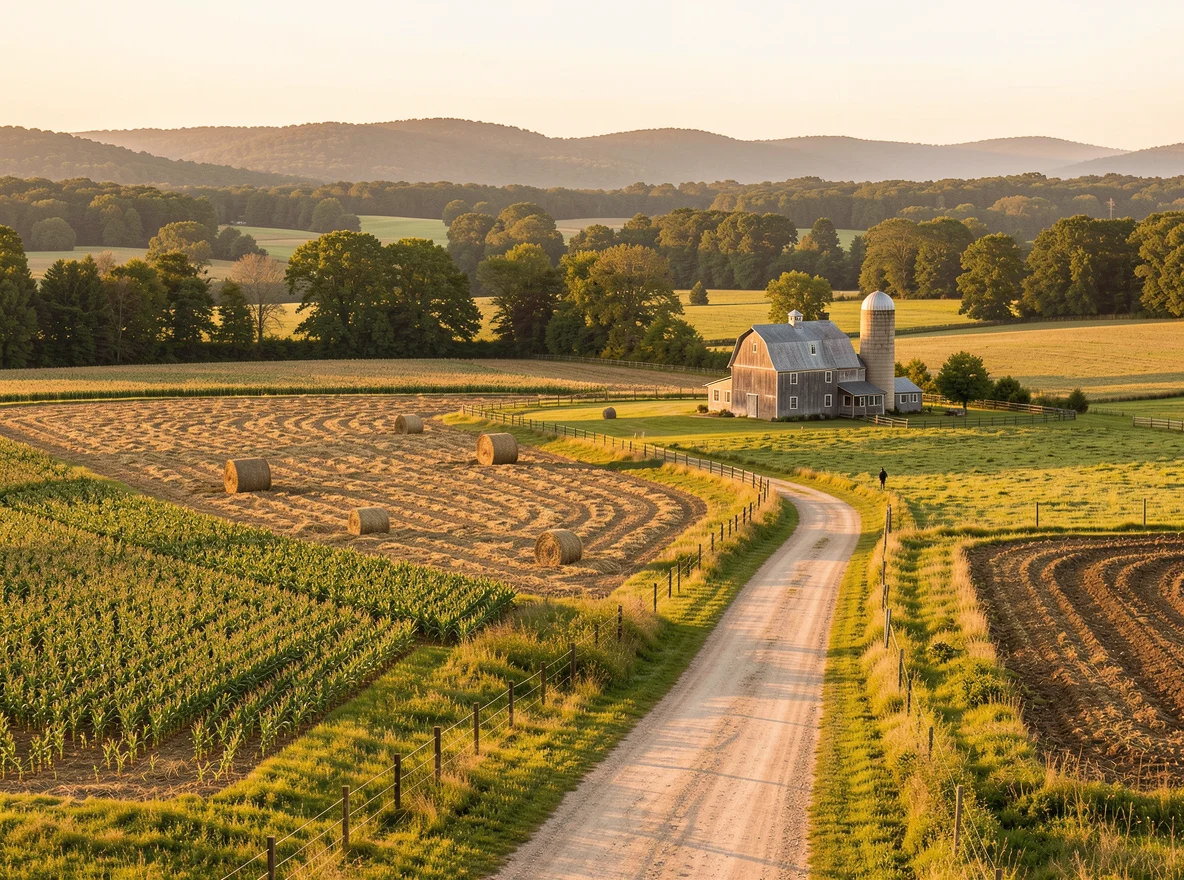
That is especially true in specialized segments like farm, hunting, recreational, and rural land. These properties do not always fit a standard residential formula. A creek crossing, interior trail system, field-to-woods ratio, or habitat quality may matter just as much as frontage and utilities, depending on the buyer’s goals. Working through those details requires a land-first perspective rather than a broad, one-size-fits-all real estate approach.
Ultimately, land value in Central Virginia comes down to a simple combination: what the property offers today, what it can become tomorrow, and how difficult it is to unlock that potential. When location, access, usability, and demand line up, value tends to follow. And when a parcel carries the kind of long-term appeal that supports a home, a working tract, or a recreational retreat, it often becomes more than a transaction—it becomes part of a legacy.