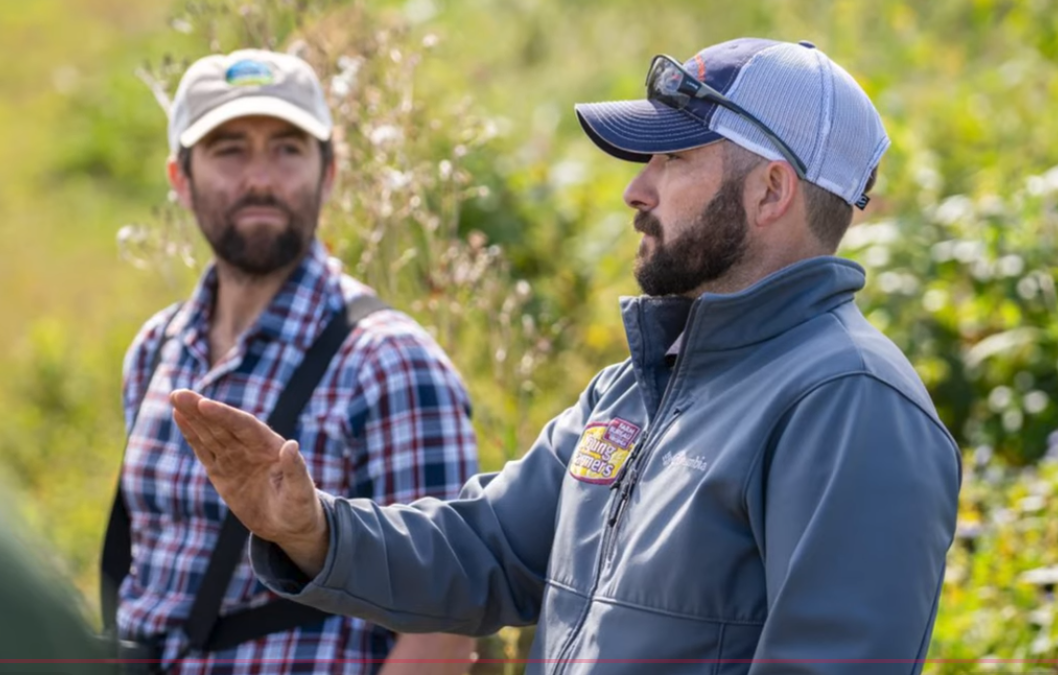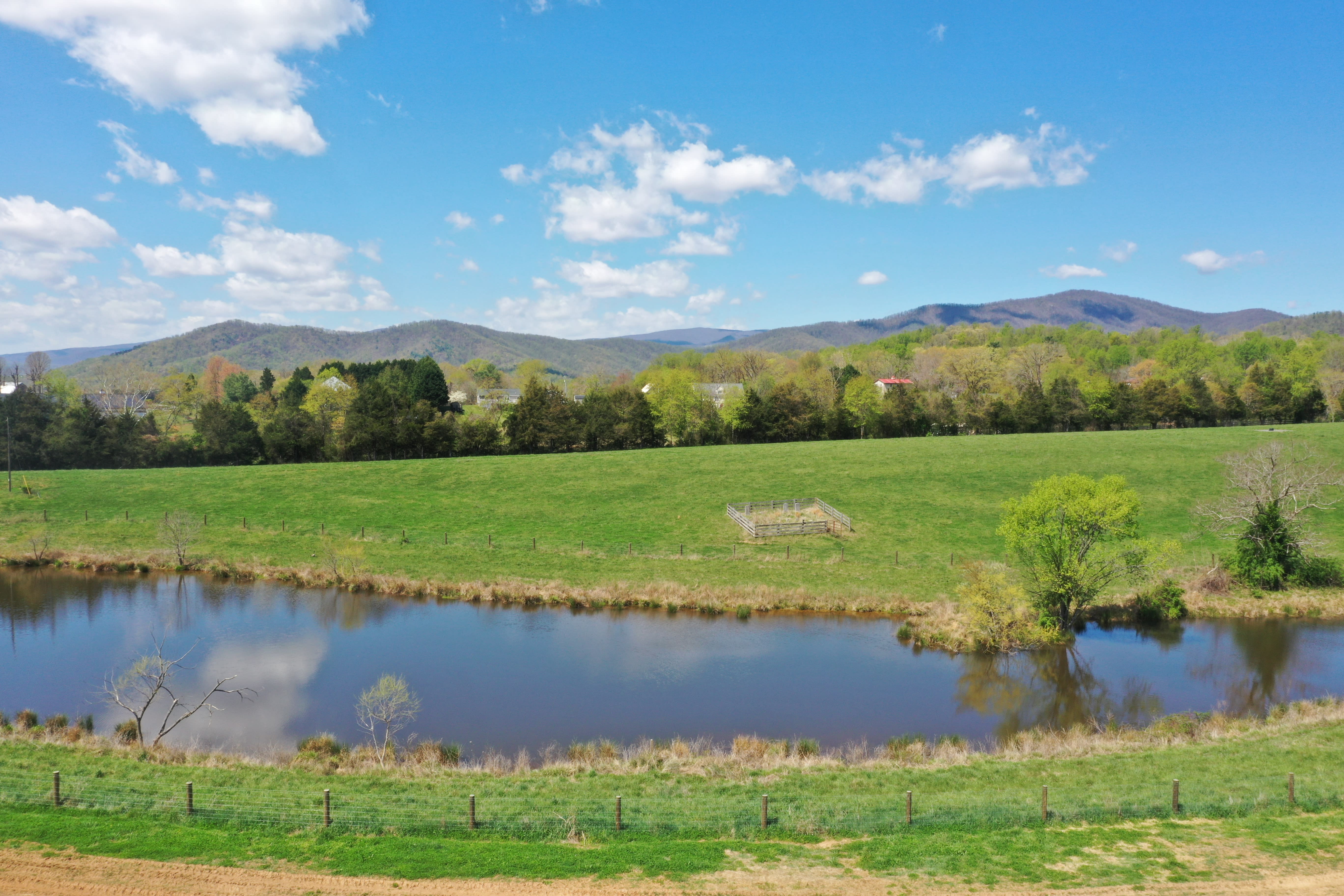
Welcome. Jacob Gilley with Legacy Land Real Estate specializes in Virginia land, farms, hunting property, recreational acreage, rural estates, and timberland. With a background aligned with agriculture and land stewardship, he helps buyers and sellers evaluate rural property with a practical understanding of how these assets are used, marketed, and priced.
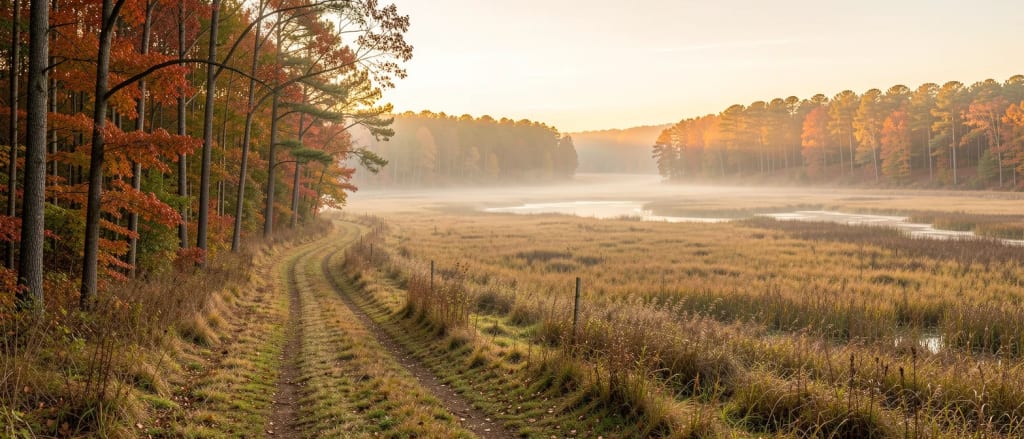
The answers below cover common questions about buying, selling, valuing, and evaluating rural property across Virginia. Whether you are searching for the right tract or considering a sale, this FAQ is designed to give you clear, useful guidance grounded in Virginia land market knowledge.

General Questions About Virginia Land & Rural Real Estate

Answers to common questions about buying and selling Virginia land, farms, timberland, and recreational acreage with Jacob Gilley.

What properties does Jacob handle?

Jacob Gilley focuses on Virginia land and rural real estate, including farms, timberland, hunting land, recreational acreage, waterfront tracts, and other rural properties. His background and brokerage focus help clients look beyond basic square footage to factors like usable acreage, road frontage, access, topography, soils, timber value, wildlife habitat, and long-term land use potential.

What Virginia areas does he serve?

Jacob is based in Charlottesville and serves clients across Central Virginia with a focus in Fauquier, Rappahannock, Culpeper, Madison, Orange, Greene, Louisa and Albermarle counties. Because rural property decisions are highly local, he helps buyers and sellers evaluate how each area’s terrain, access, agricultural use, market activity, and recreational appeal can affect value and ownership goals.

Can he help with farms and timberland?

Yes. Jacob works with buyers and sellers considering farms, timberland, hunting land, and recreational acreage in Virginia. These properties often require a closer review of field layout, soil quality, water features, timber stands, trail systems, wildlife patterns, boundary access, and intended use so clients can make decisions based on how the land will actually perform over time.

How is land buying different?

Buying land is usually more complex than buying a house because the value is tied to the land itself rather than a finished structure. Buyers often need to study access, easements, topography, flood risk, soils, timber, utilities, zoning, farm or recreational use, and future improvement costs. A land-focused agent helps organize those questions early so there are fewer surprises during due diligence.

When should I call a land specialist?

It makes sense to contact a land specialist when the property includes significant acreage or when your goals involve farming, hunting, timber, recreation, conservation, or long-term investment. A general residential process may miss details that matter on rural tracts, such as ingress and egress, boundary clarity, habitat quality, timber potential, and how the land’s physical features support both current use and future value.

Buying Land, Farms, Hunting Property & Acreage.

Practical answers for Virginia buyers comparing farms, hunting tracts, recreational land, and buildable acreage with guidance tailored to rural property decisions.

What should I consider before buying Virginia land?

Start with your intended use, budget, financing options, and the property’s location relative to Central Virginia with a focus in Fauquier, Rappahannock, Culpeper, Madison, Orange, Greene, Louisa and Albermarle counties. Buyers should also review road frontage, terrain, water features, timber, neighboring uses, and whether the tract fits long-term goals such as farming, hunting, recreation, or a future homesite. Because rural land can vary widely from one parcel to the next, it helps to contact Jacob Gilley early so you can narrow the search around realistic criteria before spending time on properties that do not match your plans.

How do I know if land fits my goals?

The answer depends on how you plan to use the property. Hunting buyers should look at habitat, food sources, cover, water, access, and surrounding pressure. Farm buyers should review soils, field layout, drainage, fencing, and operational access. Recreational buyers may focus on trails, creeks, privacy, and topography, while buyers planning to build should confirm zoning, setbacks, utilities, and septic suitability. Jacob’s background in agriculture and land stewardship can help buyers compare these factors early and identify which tracts deserve deeper due diligence.

What due diligence should buyers complete?

Before closing, buyers should review the title commitment, deed, survey, tax records, zoning, easements, access rights, flood maps, utility availability, and any restrictions affecting use. Depending on the tract, it may also make sense to investigate soils, timber value, well feasibility, septic or perc results, and current-use or conservation matters. Rural property purchases often involve more moving parts than a typical home purchase, so bringing Jacob in early can help you organize the right questions and professionals before deadlines arrive.

Why are surveys important when buying land?

A current survey can clarify boundary lines, acreage, encroachments, road frontage, easements, and whether fences, trails, or improvements sit where you expect. On larger or irregular tracts, assumptions about corners and access can create expensive problems later. Even when a survey is not legally required, many buyers find it valuable because it reduces uncertainty and supports better decisions about use, financing, and future improvements. Jacob can help you determine when an existing survey may be sufficient and when ordering a new one is the safer choice.

How do I verify legal access to rural property?

Do not assume a visible driveway or farm road guarantees legal access. Buyers should confirm whether access comes from public road frontage, a recorded easement, or another legal right described in the deed and title work. It is also wise to understand maintenance responsibilities, gate rights, and whether the route is practical year-round for trucks, equipment, or emergency vehicles. Jacob can help flag access questions early so you can verify them before investing further time and money in a property.

What should I know about utilities and septic?

Many Virginia land purchases require extra investigation into power availability, internet options, well potential, septic design, and perc testing. A parcel that looks attractive on paper may still have limitations if utility extensions are costly or soils do not support the type of septic system you need. Buyers planning to build should ask early about prior perc work, health department records, well locations, and estimated installation costs. Jacob can help you identify these issues upfront so your search stays aligned with your intended use and budget.

How do zoning and land-use rules affect a purchase?

Zoning and local land-use regulations can affect whether you can build, subdivide, farm, hunt, place structures, or operate the property the way you intend. Buyers should review county rules, setback requirements, permitted uses, overlays, and any deed restrictions or conservation limitations tied to the tract. These details matter because two similar-looking parcels can have very different development or use potential. Contacting Jacob early can help you focus on properties that better match your plans before you get too far into negotiations.

Can Jacob help evaluate land features?

Yes. Jacob Gilley specializes in land and rural property in Virginia and brings an agriculture and land-stewardship perspective to buyer representation. He can help you think through practical questions about timber, wildlife habitat, water features, terrain, access, and how those characteristics support hunting, farming, recreation, or future improvements. While buyers may still need surveyors, soil professionals, attorneys, or other specialists, Jacob can help you assess a tract early and coordinate a smarter due-diligence process from the start.

Selling Virginia Land & Rural Property.

Answers to common seller questions about pricing, preparation, and marketing for farms, acreage, timberland, and rural estates across Virginia.

How Jacob prices rural property

Jacob Gilley approaches pricing through a land-focused lens, not a standard residential formula. He looks at acreage, access, topography, usable ground, timber potential, water features, improvements, hunting appeal, and recent comparable land sales in Virginia markets such as Central Virginia with a focus in Fauquier, Rappahannock, Culpeper, Madison, Orange, Greene, Louisa and Albermarle counties. His agriculture and land-use background helps him evaluate how buyers will view the property’s practical and long-term value.

What drives Virginia land value

Rural property value can shift based on road frontage, internal trail systems, terrain, soil quality, open versus wooded acreage, creek or pond frontage, views, privacy, hunting habitat, timber mix, and the condition of barns, fencing, homes, or other structures. Local demand also matters. Jacob helps sellers understand which features increase buyer interest and which issues may affect pricing or time on market.

Do you need a recent survey

A recent survey is not always required to list land, but it can be very helpful. Clear boundary information reduces confusion, supports marketing accuracy, and gives serious buyers more confidence. If a property has uncertain lines, shared access, or older legal descriptions, Jacob can advise whether updating the survey before listing would strengthen the sale process.

Which features should be highlighted

Yes. Timber value, hunting quality, water features, pasture ground, tillable acreage, trails, mountain views, road access, and improvements should all be documented and presented clearly when they add value. Jacob helps sellers identify the property’s strongest selling points so the listing speaks directly to likely buyers, whether they are farmers, investors, recreational users, or families seeking rural acreage.

How land should be marketed

Serious land buyers expect more than a few basic photos. Effective marketing should include accurate mapping, strong property descriptions, clear use-case positioning, and visuals that show terrain, access, improvements, and standout natural features. Because Legacy Land Real Estate focuses on farms, hunting land, recreational tracts, timberland, waterfront land, and rural estates, Jacob can tailor the presentation to the buyer profile most likely to act.

How long land takes to sell

The timeline depends on price, property type, location, and how well the listing matches current buyer demand. Some tracts move quickly when they are priced correctly and marketed to the right audience, while more specialized properties may take longer. Legacy Land Real Estate's public sales data shows an average days-on-market figure of 87, and Jacob works to improve seller positioning through realistic pricing and targeted exposure.

How to prepare before listing

Before listing, sellers should gather surveys, deeds, timber information, soil or septic records if available, and details on easements, utilities, and improvements. It also helps to improve access, clean up entry points, mark trails, and make sure the property shows well in photos and tours. Jacob guides sellers through these steps so the property is easier to understand, easier to market, and better positioned from day one.

Financing, Offers, Closings & Next Steps.

Common questions about buying or selling land in Virginia, from financing and contingencies to closing timelines and local professional referrals.

Can buyers finance land purchases?

Yes. Many buyers finance land, farm, and rural property purchases, but loan options can vary by property type, acreage, improvements, and intended use. Some lenders offer land loans for raw acreage, while others may be more comfortable with properties that have road access, utilities, or income potential. Jacob Gilley can help buyers understand what information lenders often request and connect them with local lending contacts to start the conversation.

Are raw land loans different?

Usually, yes. Loans for raw land are often underwritten differently than a standard home mortgage because the property may not have a residence, utilities, or recent comparable sales. Lenders may look more closely at access, survey information, soil conditions, timber value, agricultural use, and the buyer’s plans for the property. Down payment requirements, rates, and documentation can differ, so it is wise to speak with a lender early in the process.

What contingencies are common?

Common contingencies in land contracts may include financing approval, survey review, title review, soil or perc testing, access verification, inspections of improvements, timber review, and other due diligence items tied to the property’s intended use. The right contingencies depend on whether the land is being purchased for farming, recreation, hunting, investment, or a future homesite. Jacob helps clients think through these issues so offers are informed and practical.

How long does closing take?

Closing timelines vary. Some transactions move quickly, while others take longer because of financing, surveys, inspections, title review, or additional due diligence. Land and farm properties can require more research than a typical house purchase, especially when boundaries, easements, access, or soil conditions need to be confirmed. A realistic timeline often depends on the lender, the title company or attorney, and how many property-specific questions need to be resolved before closing.

Who handles title and closing?

Title work and closing are typically handled by a title company or closing attorney, depending on the transaction and local practice. Their role is to review title history, identify issues that may need to be cleared, coordinate documents, and help move the sale through settlement. Buyers and sellers should expect the closing professional to work alongside the agents, lender, and any other parties involved to keep the process organized.

What costs should parties expect?

Costs vary by property and deal structure, but buyers may encounter lender fees, appraisal costs, survey expenses, inspections, title-related charges, recording fees, and prepaid items. Sellers may have brokerage-related costs, deed preparation or attorney fees, and other closing expenses depending on the agreement. Because land transactions can involve additional due diligence, it is helpful to review expected costs early so there are fewer surprises later.

Can Jacob recommend local professionals?

Yes. As a Virginia land and rural property agent with Legacy Land Real Estate, Jacob Gilley can often point clients toward local professionals commonly involved in these transactions, such as lenders, surveyors, soil consultants, foresters, attorneys, and other service providers. Referrals can help buyers and sellers begin their research efficiently, though each client should evaluate providers based on their own needs, timing, and goals.

How do I contact Jacob?

To discuss a property, you can contact Jacob Gilley directly at 540-219-5015 or jacob@legacylandva.com. He is affiliated with Legacy Land Real Estate and serves clients from Central Virginia with a focus in Fauquier, Rappahannock, Culpeper, Madison, Orange, Greene, Louisa and Albermarle counties. Reaching out early is a good way to talk through property goals, timing, and the next steps for buying or selling land.

inception-app-prod/MmEzZDg3MDItNTM1Mi00OTgzLTkxNzktODgzMWIxOGQ5NmE5/content/2026/06/d706f7464d76de180e6f66d407ee80623ba93cc3.JPG

Ready to Find Your Dream Property?

We are ready to help you find the perfect farm, land or country estate.