inception-app-prod/MmEzZDg3MDItNTM1Mi00OTgzLTkxNzktODgzMWIxOGQ5NmE5/content/2026/06/55997150f49f13a3c01aa8a26de3095c17348efb.webp

What Is My Virginia Land Worth?

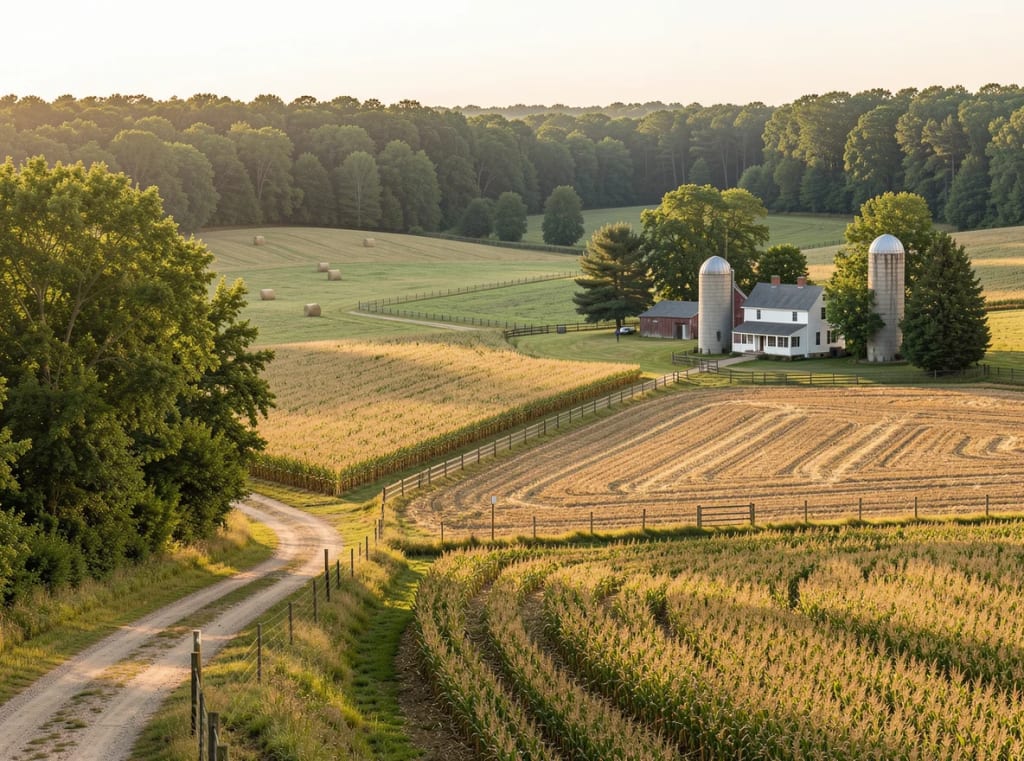
Land value is rarely as simple as applying the same logic used for a standard house. In Virginia, farms, acreage, hunting land, timberland, recreational tracts, waterfront land, and rural estates are shaped by a different set of factors, including use potential, topography, timber, water features, road frontage, access, boundaries, improvements, and the strength of comparable rural sales. A tract with subdivision potential or strong recreational appeal may be evaluated very differently than a similarly sized parcel nearby.

Jacob Gilley of Legacy Land Real Estate works with Virginia landowners who need a clearer picture before making a decision. With a professional focus on land and rural property, he helps sellers think through pricing, timing, marketability, and property positioning in places throughout Central, Virginia. If you are considering selling, dividing, holding, or simply planning ahead, request a professional opinion before setting a price or making your next move.

What Jacob Evaluates When Pricing Virginia Land

Small differences in a rural tract can change value quickly. Jacob Gilley reviews the practical details that most often influence what sellers can realistically expect in today’s Virginia land market.

Acreage and Usable Ground

Total acres matter, but usable ground matters more. Open fields, buildable areas, and workable terrain can raise value compared with steep or restricted land.

Access and Road Frontage

Jacob checks deeded access, recorded easements, and public road frontage. Two similar tracts can price very differently if access is limited or unclear.

Zoning and Allowed Uses

Zoning, restrictions, and subdivision potential affect who can buy the property. Permitted uses often influence value as much as the land itself.

Soils and Perc Potential

Soil quality, perc results, and farm productivity can impact homesites, crop use, and buyer demand. Minor soil differences may change value significantly.

Utilities and Infrastructure

Power availability, well potential, septic feasibility, and existing infrastructure all matter. A tract with easier utility access may command a stronger price.

Timber and Water Features

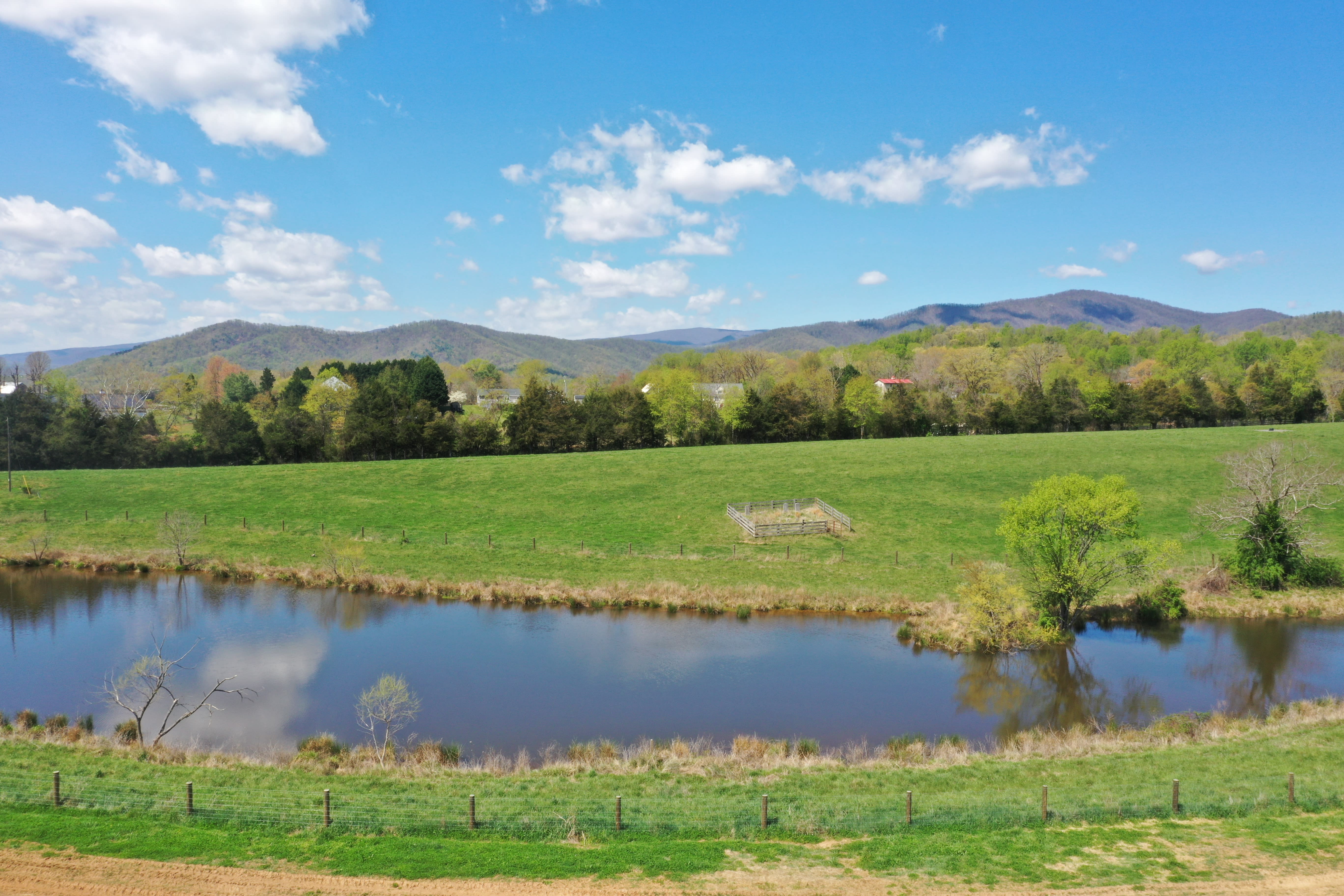
Merchantable timber, ponds, creeks, and waterfront appeal can add value. The type, condition, and accessibility of these features often make a difference.

Barns, Roads, and Improvements

Existing barns, fencing, cabins, trails, and internal roads may improve utility and marketability. Condition and function matter more than simply having structures.

Topography and Comparable Sales

Slope, views, floodplain exposure, and recent rural land sales help shape pricing. Even nearby tracts can vary widely based on these details.